Chapter 1: What is Time?
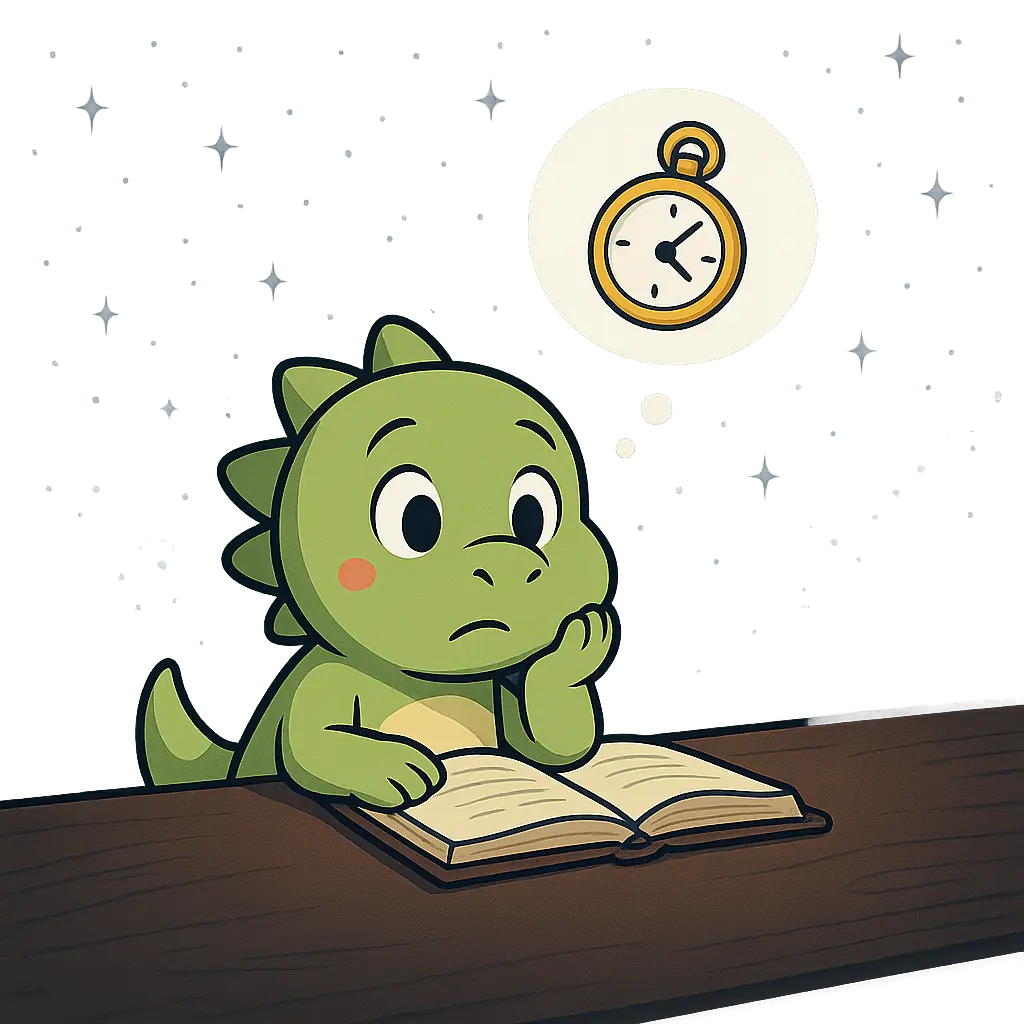
The Beginning in a Question
Jakub: You keep helping me and answering my questions. I want to return the favor. Do you have a question that hasn't been answered yet?
Axik: I do. What is time?
And that’s when our journey truly began. Not with definitions, but with the feeling of rhythm — something that cannot be measured, only sensed.
Jakub:What is "time" really?
It doesn’t truly exist. It's just a way for us to describe movement and change.
Maybe that's why it "flows" differently when gravity changes.
But gravity doesn't stretch time — it slows rhythm.
Not time itself, but all motion. And that motion slows down at atomic, maybe even quark levels...
Philosophical Perspective
Time is not a clock. Time is not flow. Time is difference.
The difference between what was — and what is. Time is the rhythm of change. If nothing changes, there is nothing to measure. Time is tied to events. And events arise from oscillation — from rhythm.
Equation of Local Time
To begin measuring time, we must define the idea of local rhythm — how fast time flows in a specific place in space:
\[ \Theta = \frac{d\tau}{dt} \]
The symbol \( \Theta \) represents the time coefficient — the ratio of proper time to reference time. It's the foundational quantity in Axioma. Everything else grows from it. But its full meaning becomes clear only when we begin comparing it between locations.